
This post is about one of my 45-second pitches at my BNI Chapter, BNI City Business. You can read the introduction to this collection here.
26 January 2024. Our second week back. We saw a bit of a dip in attendance this week. A successful BNI chapter should have a very high level of commitment, and attendance is a critical measure of commitment to the tribe (amongst others).
I was probably more aware of the absences this week as I was a speaker and the judge of the 45-second pitches. My presentation was at the start of the meeting, and I noticed more empty seats than normal.
My 5-minute presentation focused on what I do, and a bit about how I do it. Three slides (plus an introduction/contact slide). The first slide was derived from the homepage of this site. I used the bud image and what I think of as my service summary, Buy. Value. Exit.

Buy is the start of the journey, and I include helping clients start a new business, from ideation to launch in this activity. Many business owners started their own business or the business was passed down to them. They have never bought a business. So while my Buy (or Start) a business offerings are targeted at first-time buyers, this doesn’t mean only those who are new to business ownership.
Value refers to two service areas. The first is the business valuation and appraisal services I perform. The second is helping business owners understand the value drivers in their firm – the things that will make their firms more valuable – so they can focus on them. A focus on value drivers is good business anyway, so this often doesn’t require a significant shift in skills or methods for business owners.
Exit deals with the preparation for sale, and is typically the period of up to three years before the owner’s ultimate exit. The purpose of exit planning is two-fold. The one owners focus on is polishing the business to make it more valuable and saleable. The second goal is to prepare the owner for life after exit. I don’t sell businesses – I don’t do the actual brokerage activities. That is what Helane, the business broker in the group, does.
I then moved on to the second slide, dealing with engagement models – how I work with my clients.
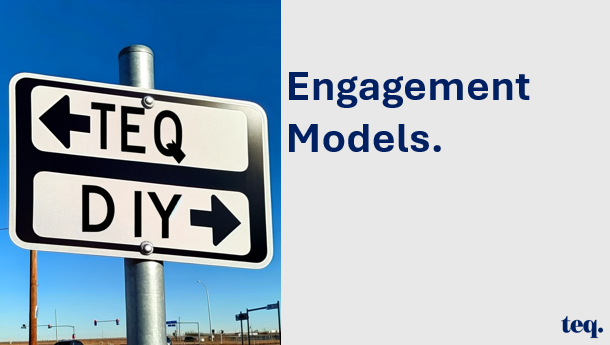
Small business owners are typically very cost sensitive and are also – they believe – masters of their domain. They prefer to do things rather than have them done for them, particularly if those things are (a) expensive, and (b) something they think they can do. To position my services for this market, I can either do it for them, or they can do it themselves. I can be an advisor/consultant, or I can be a coach.
As a coach, I question, cajole, hold accountable and help my clients properly frame each issue and priority area, but they are responsible for the execution. While I give them a workable road map, I don’t do the heavy lifting. Coaching engagements are very cost-effective, and extend over longer periods.
When I am a consultant, my role is to do. I focus more on delivery and less on skills transfer. I get the job done quickly. But this comes at a higher price, generally, than the coaching path.
The final slide listed a series of prompts that chapter members could listen out for when chatting with clients or friends. This is a common approach in BNI to help members understand how prospect may express their pain points. It is rare for a business owner to come out and say “I need to find an exit planner.”
- ‘I have a great idea for a business, but I don’t know where to start.’
- ‘I would really like to be my own boss, but I don’t know what kind of business is right for me.’
- ‘I have seen a business I’d like to buy. Where do I start?’
- ‘I really have no idea what my business is worth.’
- ‘My spouse and I have just split, we don’t know what to do with our business going forward.’
- ‘One of my shareholders wants to sell.’
- ‘One of my children wants to take over the family business from me. How do I ensure a fair deal for all my children?’
One of the questions I was asked after the 5-minute slot was about what I charge. An early version of my slides had touched on this, but I had edited that topic out of the final version. So my first response was ‘good question.’ I learned some time ago to avoid that comment as it implies the other questions weren’t good. But this one was because I knew I had planned to cover it off, but forgot.
Unlike a business broker, I don’t do contingency charging (success-based fees). Almost all of my services are time and materials. The only services with a fixed fee are business valuations and business appraisals. For a business valuation, I have a capped rate of NZ$7,500. This is the most I will charge (per legal entity), but the fee generally comes in under that. I charge $750 for an independent appraisal. These are the fees as of writing.
A little later, I did my regular 45-second pitch (the slide at the top of this post). Business owners need to pay attention to the details when doing transactions. One of the reasons I get involved in transaction engagements is that I understand the important details, and know what isn’t as important. If details are your biggest weakness, get a good advisor on your team.